



You probably don't think about the back of your mirror. But that's where the problem starts.
A story from real life
A few years ago, a hotel customer called us. They had installed 200 mirrors in a new building. After 8 months, the edges of many mirrors started turning black. Guests complained. The hotel had to replace them - not just the mirror glass, but the whole installation.
The problem?Ordinary mirrors with copper backing. The bathroom moisture did what moisture always does.
What actually happens
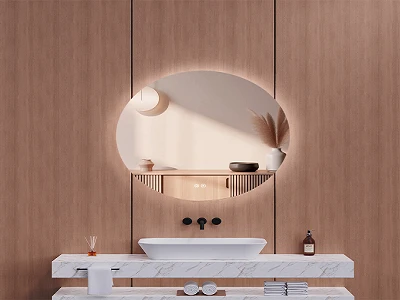
In a dry room, a copper-backed mirror can last a long time. But in a bathroom, steam gets behind the reflective layer. The copper reacts with moisture and starts to corrode. At first you see small black spots at the edges. Over time, the spots spread. The reflection becomes cloudy. The mirror starts to look old - not because it's dirty, but because it's rotting from behind.
You can't clean it. You can't polish it away. Once it starts, it only gets worse.
What copper-free does differently
Copper-free mirrors replace the copper backing with a corrosion-resistant material. It doesn't react with moisture. No black edges. No cloudy reflection. The mirror stays clear, even after years of daily steam.
What it means for you
If you're buying for your own bathroom, you probably want it to last. If you're selling to hotels or contractors, you definitely don't want calls about black edges two years later.
Copper-free costs a little more. But it saves you the cost of replacement, labor, and a disappointed customer.
What we do
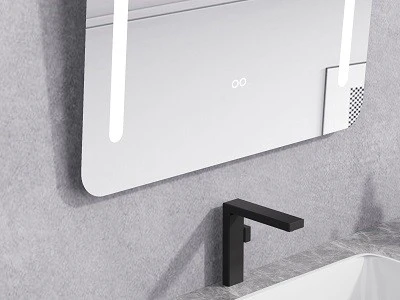
All our LED mirrors use copper-free glass as standard. Because we believe a mirror should still look good after years after installation - not just on the day it arrives.